You have actually possibly heard the terms calibration, verification, and adjustment made use of reciprocally in your office, however they're actually three distinctive processes that offer various functions in maintaining measurement accuracy. If you're responsible for quality control or instrument management, mixing up these principles can result in compliance issues, expensive blunders, and unreliable data. Comprehending when to make use of each process-- and why-- can change exactly how your organization approaches measurement stability and regulative compliance.What Is Calibration and Why Does It Matter?Precision drives every dependable measurement system, yet also one of the most sophisticated instruments drift from their designated precision gradually. That's where calibration becomes essential.You're basically comparing your test and measurement instruments against understood reference standards to determine their accuracy. This process doesn't entail making changes-- it's purely regarding documenting just how your equipment executes versus developed benchmarks.Calibration issues due to the fact that it makes certain measurement traceability to national standards, which is important for maintaining quality in your operations. When you work with approved calibration laboratories adhering to ISO IEC standards, you're developing confidence in your data.This documentation comes to be important for regulative compliance and quality control programs. Unlike confirmation or adjustment, calibration offers the fundamental knowledge concerning your instrument's present efficiency status.The Function of
Confirmation in Quality Control While calibration tells you exactly how your instrument does, confirmation verifies whether that performance satisfies your details requirements.You'll use confirmation as a quality assurance checkpoint to guarantee your instruments maintain appropriate precision levels between formal calibration services. This process involves contrasting your instrument's dimensions versus understood criteria to confirm it's still running within your well established tolerances.Unlike certified calibration, verification doesn't call for considerable documents
or certificates. You're simply verifying your testing instruments haven't drifted past appropriate limits.This structured process aids you catch measurement concerns early, protecting against expensive quality troubles downstream. By implementing regular confirmation routines, you'll maintain self-confidence in your measurement process while extending intervals between official calibrations.Verification works as your very first line of defense in keeping measurement integrity.When and Exactly how to Carry Out Instrument Adjustments When your confirmation results show dimensions falling outdoors appropriate resistances, you'll need to carry out instrument adjustments to restore accuracy.These changes entail physical or digital modifications to your measuring equipment to bring readings back within specifications.Before making adjustments, you'll want to determine the root cause of discrepancies with methodical troubleshooting.Document all change procedures and validate results promptly afterward.If your instruments need complicated changes beyond your capabilities, contact accredited instrument calibration services or calibration and repair services.Professional premium quality calibration services offer ISO IEC accredited calibration with extensive customer services support.They'll do accurate modifications utilizing licensed referral requirements, ensuring your precision dimensions satisfy industry requirements.Key Differences Between These Three Essential Procedures Although these 3 processes collaborate to make certain measurement precision, calibration, verification, and change
serve clearly different functions in your quality assurance system.Calibration services develop traceability by comparing your measuring equipment
versus accredited referral standards, normally performed by recognized calibration laboratories adhering to ISO 17025 requirements.Verification confirms your laboratory instrument meets defined resistances without making adjustments, basically inspecting if it's still within acceptable limits.Adjustment involves physically changing your equipment's setups to correct deviations and bring back accuracy.You'll need accredited calibration for lawful compliance and precision dimensions, confirmation for routine quality checks, and change just when measurements drift beyond specifications.Quality calibration services handle the complex traceability needs, while you can frequently execute verification and adjustment in-house for your test and measurement activities.Best Practices for Execution in Your Company Considering that your company's measurement accuracy relies on organized execution, https://totalclassified.com/492/posts/3/25/2026075.html you'll require to establish clear protocols that define when and exactly how to carry out calibration, verification, and change activities.Start by partnering with certified calibration services that fulfill your industry's compliance requirements. Develop recorded treatments specifying measurement intervals, precision resistances, and decision requirements for each process.Train your group to identify
when verification validates acceptable performance versus when adjustment becomes needed. Apply a durable metrology management system that tracks instrument backgrounds and routines preventative maintenance.Establish clear roles and responsibilities, ensuring staff understand these aren't interchangeable processes.Following these best practices
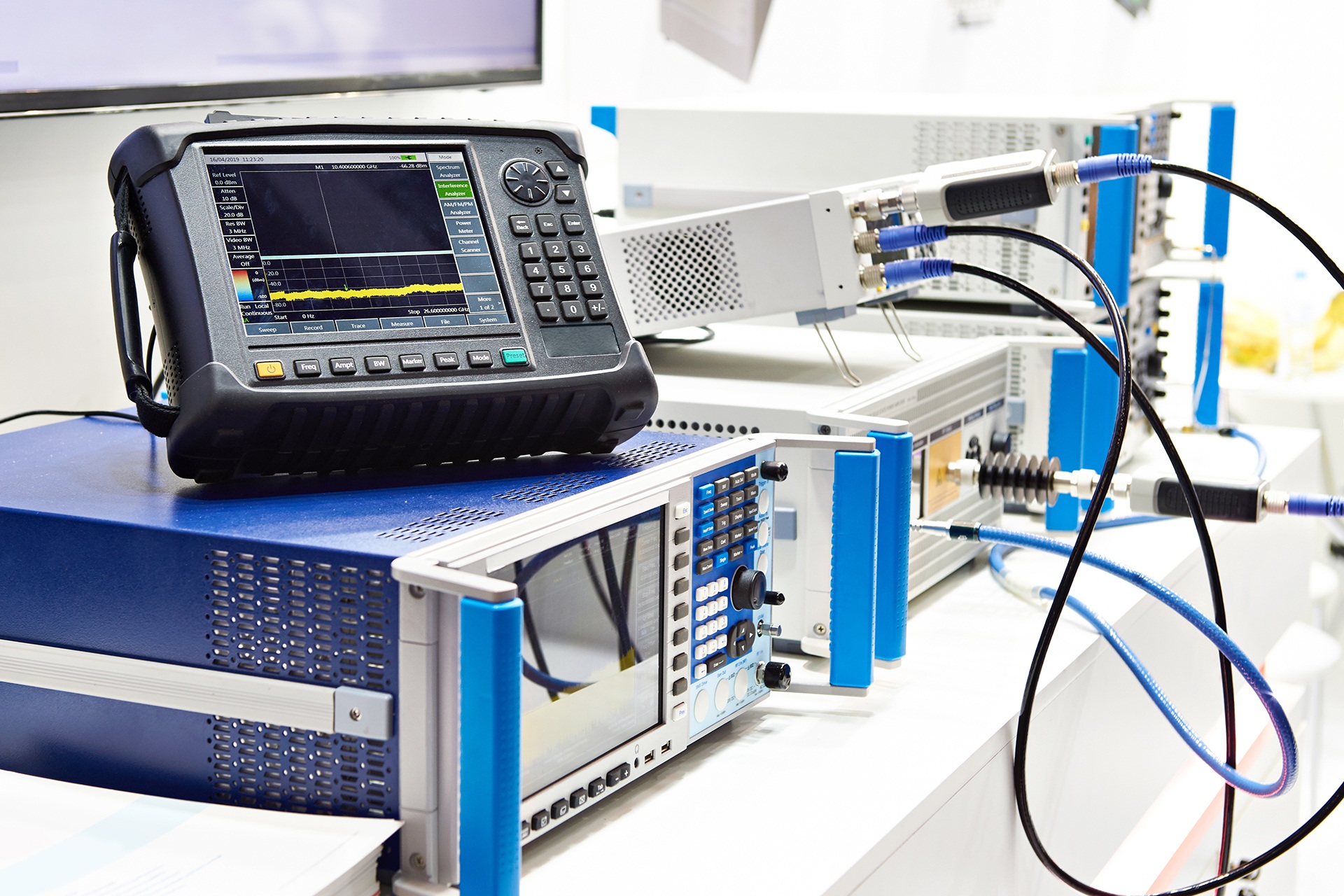
guarantees your organization maintains measurement integrity while maximizing costs and lessening downtime via strategic application of all three critical processes.Conclusion You'll accomplish optimal instrument performance by applying calibration, verification, and modification as complementary processes as opposed to standalone activities. Do not treat them interchangeably-- each offers an unique objective in your quality management system. You're building measurement self-confidence with calibration's traceability, confirmation's recognition, and modification's precision adjustments. Begin documenting these processes methodically, and you'll maintain regulative compliance while preventing expensive quality concerns that could influence your organization's credibility and profits.